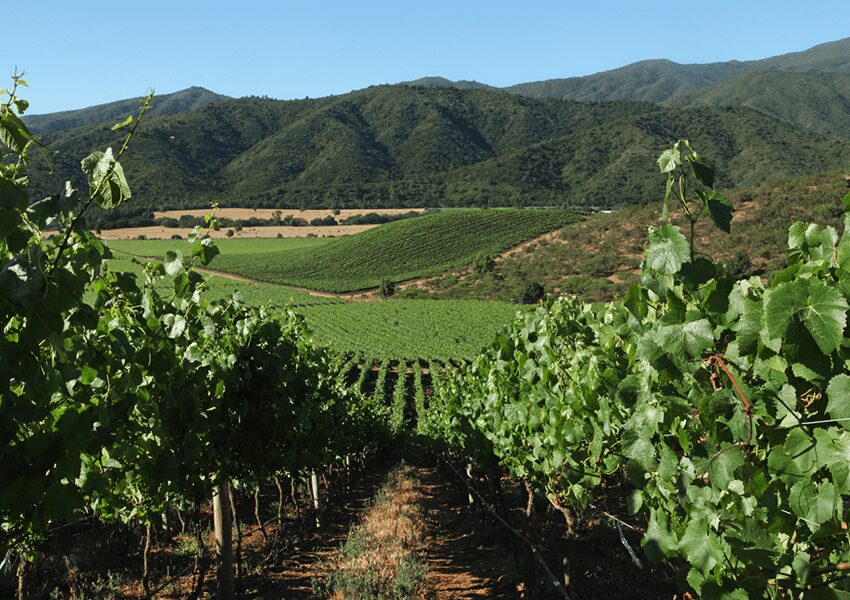
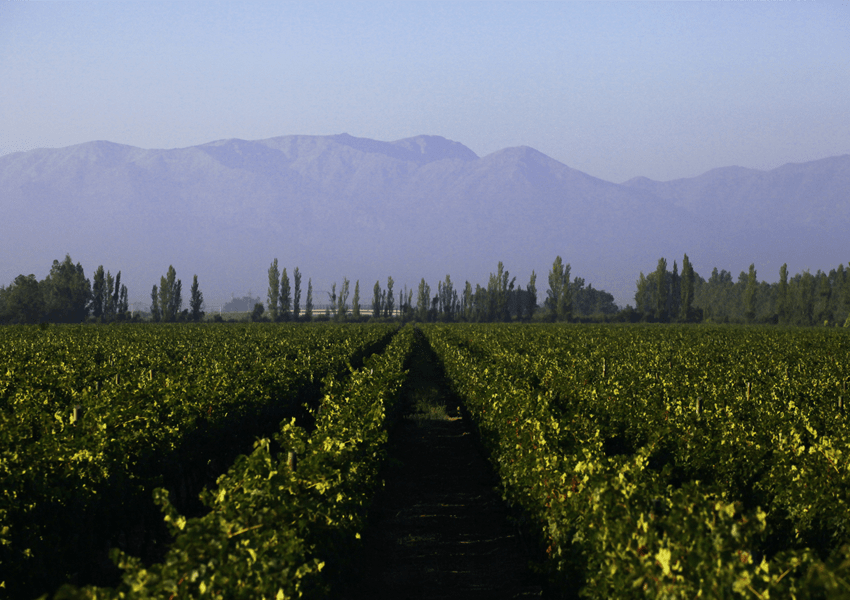
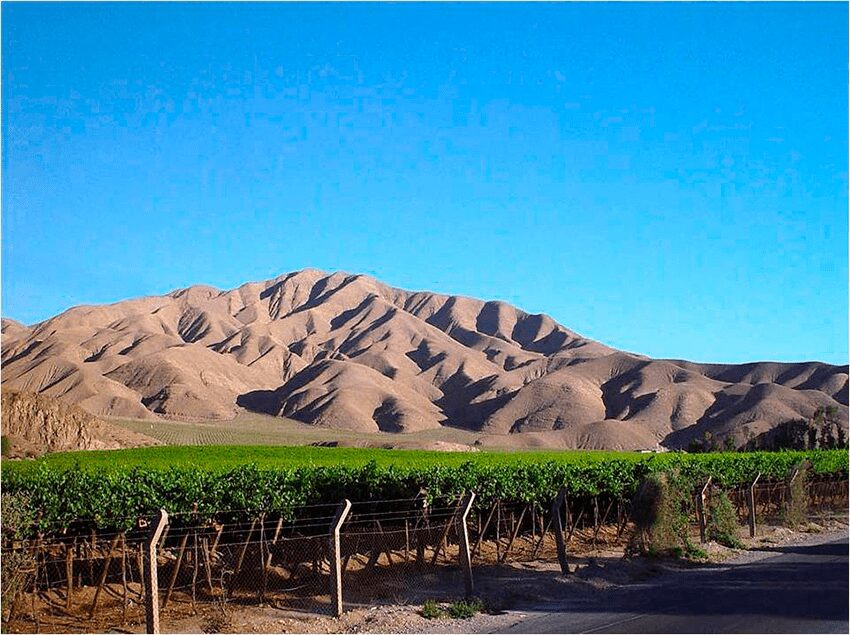
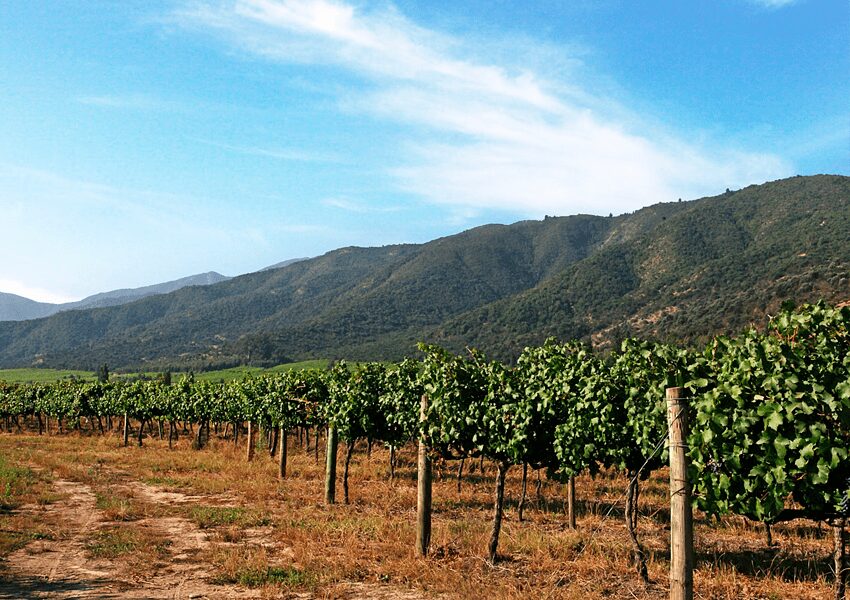
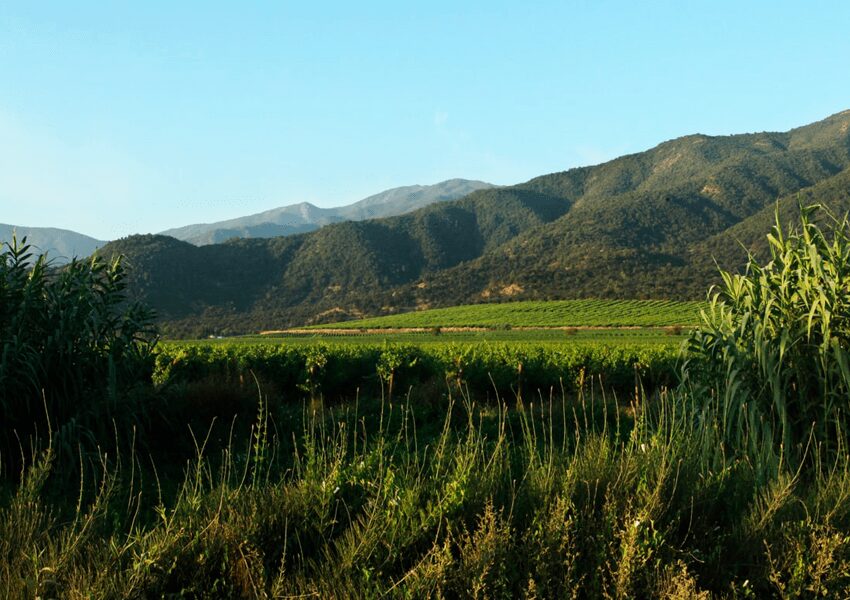
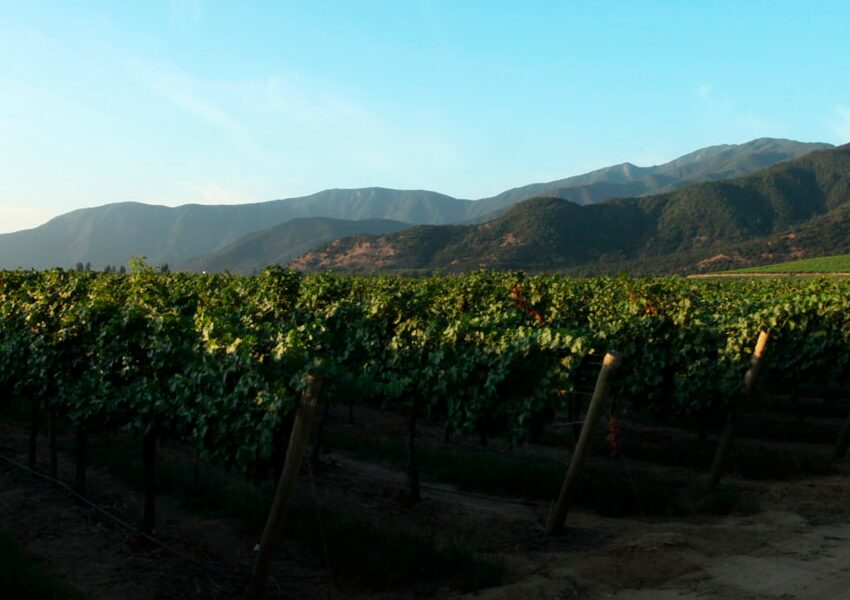
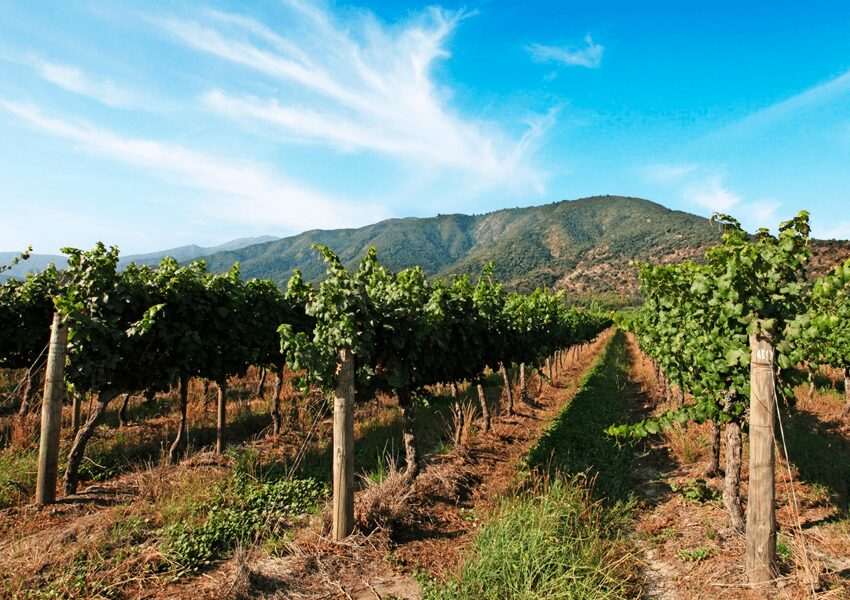
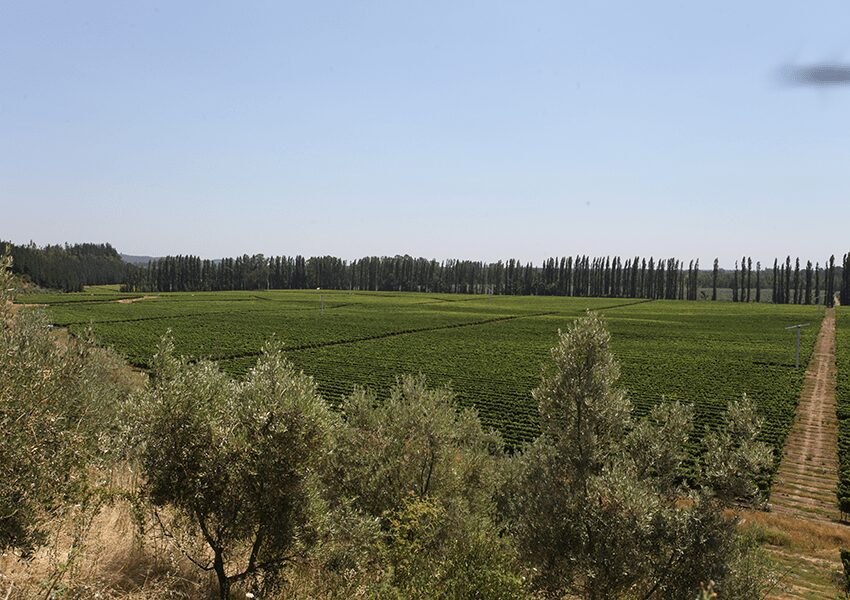
Four important geographic bodies surround the Chilean wine growing region: the Andes Mountains to the east, the Pacific Ocean to the west, the Atacama Desert to the north and ancient glaciers to the south. Other determining factors, such as abundant luminosity, significant daily temperature variation, dry weather during ripening season and fresh Andean irrigation water, contribute to the production of pure and wholesome grapes. Explore in detail the Wine Valles of Chile where Cono Sur is present.Four important geographic bodies surround the Chilean wine growing region: the Andes Mountains to the east, the Pacific Ocean to the west, the Atacama Desert to the north and ancient glaciers to the south. Other determining factors, such as abundant luminosity, significant daily temperature variation, dry weather during ripening season and fresh Andean irrigation water, contribute to the production of pure and wholesome grapes. Explore in detail the Wine Valles of Chile where Cono Sur is present.
Texto
Valle San Antonio
One of Chile's most recently defined appellations, the San Antonio Valley extends directly to the Pacific Ocean, thus has a strong maritime influence. Frequent cool sea breezes, red clay soils and intense sunlight make it a favorite for Sauvignon Blanc, Chardonnay, Pinot Noir and Syrah.
Valle Maipo
A mountainous terrain with an altitude-influenced climate and oxygen and mineral rich irrigation from snowmelt runoff, the Maipo Valley is Chile's most traditional appellation. Maipo is renowned for its quality reds, especially Cabernet Sauvignon. With a very distinct terroir, each wine produced here has a truly unique personality.
Valle Limarí
Running parallel to the Limarà River, this transversal valley goes from the Andes Mountains to the Pacific Ocean, which gives this Valley significant variations in topography and climate. The most fundamental characteristic is the almost assured absence of rain during harvest season. Its mineral clay soils are highly suitable for growing Pinot Noir, Chardonnay, Syrah and Carmenere.
Valle Colchagua
Located in the southern sector of the greater Rapel Valley. Irrigated by the Tinguiririca River, the climate is temperate throughout the year, its maritime influence moderating extreme temperatures. The vineyards stretch to the foothills of the Andes Mountains and must be carefully managed to control the soil´s natural vigor. This is a haven for Merlot and Viognier.
Valle Casablanca
The Casablanca Valley's cool Mediterranean climate is strongly influenced by the chilling Humboldt current, which comes up from Antarctica and runs all along Chile´s coast. Foggy mornings and cool breezes all year long make for a relatively delayed harvest, a natural spot for Sauvignon Blanc, Chardonnay, Gewürztraminner, Pinot Noir.
Valle Cachapoal
Located in the northernmost sector of the greater Rapel Valley, the Cachapoal appellation stretches from east to west along the Cachapoal River basin. High temperatures and abundant sunlight make it an excellent location for cultivating Carmenere.
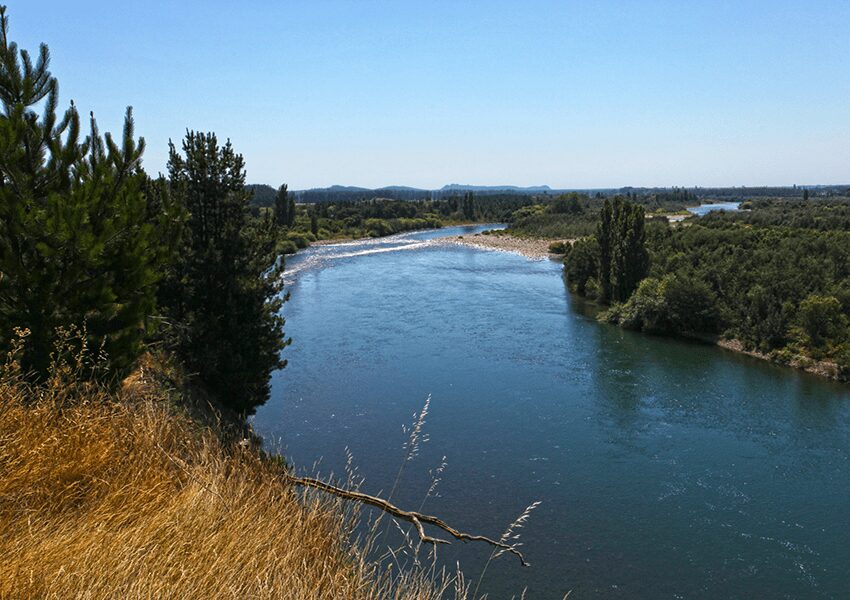
Valle Bío Bío
One of the world's southernmost winegrowing regions, the BÃo BÃo Valley has some of the lowest temperatures during the grape ripening process and is one of the few places in Chile where irrigation is not necessary. High red clay content in the soil produces freshness and impressive minerality characteristics, ideal for aromatic whites such as Riesling and Gewürztraminer.
Pinot Noir Winery
One of the world's southernmost winegrowing regions, the BÃo BÃo Valley has some of the lowest temperatures during the grape ripening process and is one of the few places in Chile where irrigation is not necessary. High red clay content in the soil produces freshness and impressive minerality characteristics, ideal for aromatic whites such as Riesling and Gewürztraminer.